Professional Basement Water Cleanup
Comprehensive Services Offered in Water Damage Restoration: What You Need to Know
Restoring water-damaged properties demands a comprehensive strategy to handle the wide range of problems caused by water-related issues. This approach commences with initial assessments to identify the damage's extent and source. Following this, timely water extraction plays an essential role in avoiding additional damage. Still, there is much more to address after this stage. Understanding the subsequent steps, including moisture elimination, disinfection, and building restoration is essential for successful restoration. What happens next could greatly impact the final remediation result.
How Early Assessments Help You Handle Water Damage
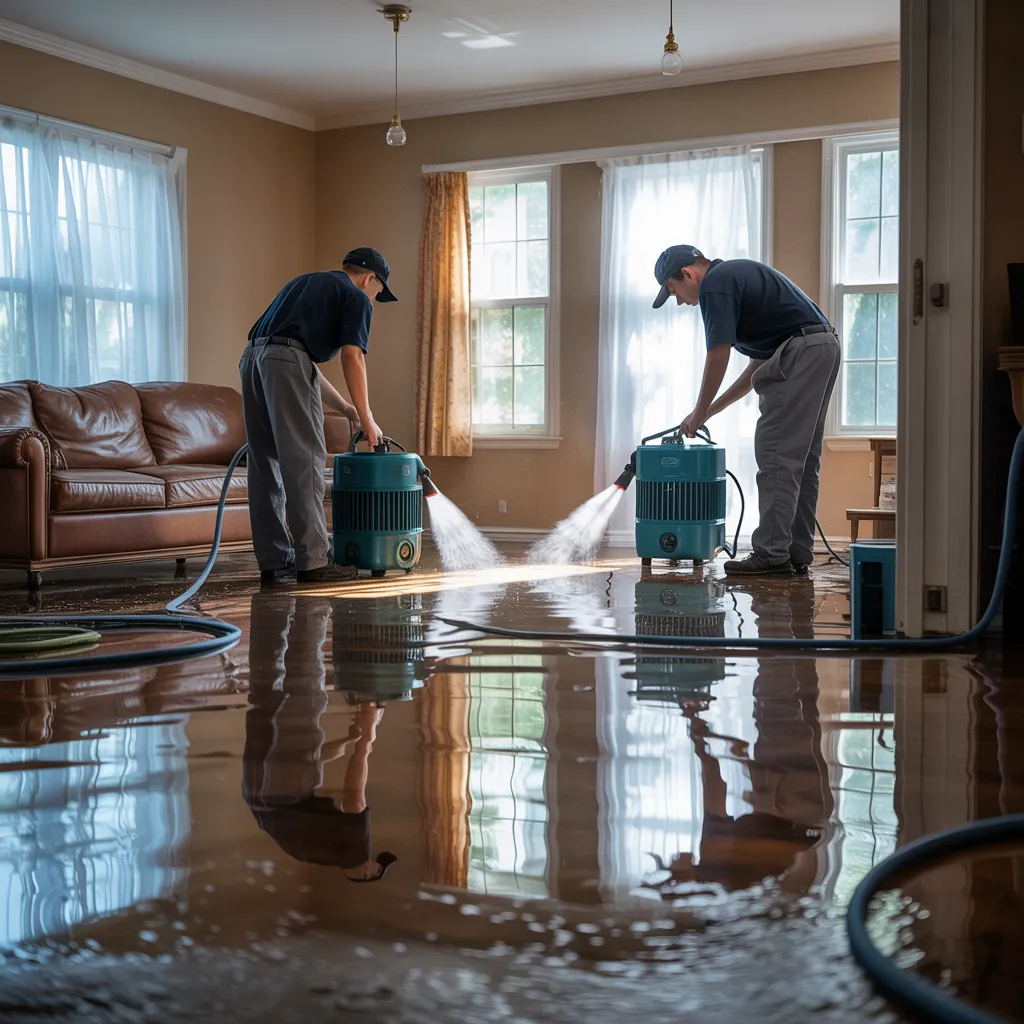
When a property experiences water damage, conducting an initial assessment is essential for effective restoration. This process involves identifying the source of the water intrusion, gauging the severity of the damage, and identifying the areas that have been affected. A detailed assessment empowers restoration professionals to categorize the water—whether clean, gray, or black—informing the proper response measures.
Additionally, the assessment assists in detecting potential dangers, such as mold growth or structural instability, which can complicate restoration efforts. By recording the results, experts can develop a personalized restoration plan that addresses the most critical areas first. This systematic approach not only reduces further deterioration but also improves the use of resources. In the end, an accurate initial assessment lays the foundation for a successful restoration process, guaranteeing that every required measure is implemented to restore the property to its pre-damage condition efficiently and effectively.
The Importance of Timely Water Extraction Techniques
Prompt water removal is crucial in reducing the severity of water damage. Swift action can significantly minimize the risk of mold growth and minimize structural damage to properties. Efficient approaches ensure that the restoration process begins swiftly, maintaining both structural integrity and safety.
Timely Response Is Vital
Even though water damage may happen abruptly and without any indication, the importance of a prompt response cannot be emphasized enough. Swift action is critical to minimize additional damage and lower restoration expenses. When water penetrates a building, it can damage the structural soundness of walls, flooring, and electrical systems within a matter of hours. Timely extraction techniques, such as using high-powered pumps and industrial-grade dehumidifiers, are vital in minimizing the extent of the damage. Professionals trained in water damage restoration understand the critical nature of prompt intervention, as delays can lead to more severe issues, including structural instability. A timely response not only safeguards the property but also boosts the efficiency of later restoration procedures, facilitating a speedier return to normal conditions for those affected.
Preventing Mold Growth
Fast water extraction processes are essential in stopping mold development after water damage. When water infiltrates a structure, it establishes perfect conditions for mold spores to multiply, particularly in hot and moist environments. Prompt elimination of standing water reduces humidity levels, thereby preventing mold spread. Experts employ advanced tools, such as extraction pumps and humidity reducers, to accelerate the drying process, ensuring that damaged zones are rapidly dried. Additionally, comprehensive assessment of obscured locations, like behind walls and beneath floors, assists in locating hidden dampness that could result in mold problems. By prioritizing rapid extraction and drying, property owners can greatly reduce the risk of mold, ultimately preserving both personal wellbeing and property condition.
Minimizing Structural Damage
When water damage occurs, prompt water extraction is essential to limiting damage to the structure. Delays in this process can lead to severe consequences, including weakened foundations, warped floors, and compromised walls. Moisture seeps into materials at a fast rate, and prolonged exposure increases the likelihood of deterioration. Employing professional water extraction techniques guarantees that water is removed efficiently, minimizing damage to both the structure and contents of the property. State-of-the-art equipment like pumps and dehumidifiers optimizes the extraction process, enabling faster drying times. Moreover, early response aids in preventing additional problems, such as the development of mold, which can hinder restoration. As a result, prompt water extraction is key to safeguarding the condition of the damaged structure.
What Happens After Water Extraction: Proven Drying Solutions?
Once water extraction is complete, the next essential step in the restoration process focuses on implementing comprehensive drying solutions. This phase is essential to prevent further damage and facilitate a successful restoration. Experienced specialists use professional-grade dehumidifiers and air read the full story movers to minimize moisture levels throughout the affected spaces. Dehumidifiers extract excess humidity from the air, while air movers circulate air to expedite the drying process.
Monitoring moisture content is crucial during this phase. Specialists often use moisture measurement tools to confirm every material, including flooring and walls, achieve acceptable dryness levels. According to the extent of the water-related damage, professional-grade equipment like infrared imaging devices may be employed to detect hidden moisture pockets.
In addition, adequate ventilation is essential; employing exhaust fans alongside open windows can optimize air movement. In general, a careful and structured drying method guarantees the building remains undamaged and limits the chances of subsequent complications including mold proliferation.
How Cleaning and Sanitization Prevent Mold Growth After Water Damage
Thorough cleaning and sanitization are fundamental in inhibiting mold proliferation in the wake of water damage. When moisture penetrates an area, it creates a damp environment conducive to mold proliferation. To address this concern, complete cleaning is necessary following water extraction and drying efforts. This involves eliminating affected materials and surfaces, in addition to utilizing professional cleaning products that suppress mold formation.
Sanitization further enhances this effort by eliminating residual moisture and bacteria, which can contribute to mold formation. Sufficient airflow during the drying phase is critical, as trapped air can establish an environment conducive to mold growth. Trained specialists commonly utilize dehumidifiers and air movers to speed up drying and decrease humidity levels.
What to Anticipate When Addressing Structural Damage
Handling structural damage is a vital component of water damage restoration after the cleaning and sanitization process. Residents can look forward to a detailed inspection of damaged areas, including walls, floors, and ceilings, to determine the extent of the damage. Experts will frequently employ advanced equipment to identify concealed moisture and assess the condition of structural components.
After the assessment has been completed, the team of restoration experts will present a comprehensive plan, which may include addressing damage to framing, drywall, and flooring. In some cases, it might be necessary to completely replace the compromised materials. The timeline for these repairs can change according to the extent of the destruction and the materials that need to be addressed.
All throughout the process open communication is crucial, as technicians will notify homeowners about progress and any additional findings. In the end, the aim is to return the structure to its prior state, guaranteeing safety and structural integrity.
How to Prevent Future Water Damage
Preventing future water damage requires proactive measures and regular maintenance. Homeowners are encouraged to periodically check their property for water leaks, with particular focus on roofs, gutters, and plumbing systems. Resolving minor concerns quickly can help avoid more significant damage later.
Setting up drainage pumps and maintaining drainage systems can help divert excess water away from the property's foundation. Furthermore, maintaining correct grading around the residence will reduce water accumulation near the home.
Consistently cleaning gutters and downspouts plays a vital role in effective water management. Additionally, investing in moisture-resistant materials for basements and crawl spaces can lower the potential for water damage.
Finally, measuring humidity levels within the home can stop the growth of mold, which commonly occurs alongside water damage. By implementing these practices, homeowners can greatly reduce the risk of future water damage problems, protecting their property and investment over time.
Choosing the Right Water Damage Restoration Service for Your Needs
How can homeowners guarantee they select the most suitable water damage restoration service? The first step is to research nearby companies, with a focus on their standing in the community and client reviews. A company that has earned favorable reviews and a proven history is better positioned to provide reliable results. Homeowners should also check for proper licensing and insurance, ensuring the company adheres to industry standards and protects them from liability.
Experience plays a critical role; firms with expertise in diverse water damage scenarios are frequently more capable of managing complex cases. Additionally, property owners are encouraged to ask about the remediation procedure, covering the machinery utilized and anticipated completion schedules.
Ultimately , securing various quotes can allow homeowners to gain insight into available pricing and services , making possible educated comparisons . By following these measures , homeowners can reach a more informed decision , making certain they identify a restoration service that meets their specific needs effectively .
Commonly Asked Questions
How Long Does the Entire Water Damage Restoration Process Take?
The full water damage remediation process generally requires three to five days in total, depending on the extent of the damage and the specific conditions. Each situation is unique, influencing the overall duration of restoration efforts.
Will My Insurance Plan Cover Water Damage Restoration?
Insurance coverage for water damage restoration services varies by policy. In most cases, standard homeowners' insurance policies may cover certain damages, though exclusions are common. It is important for policyholders to thoroughly examine their coverage and contact their insurance provider for precise information.
How Can You Identify the Signs of Hidden Water Damage?
Signs of hidden water damage include unexplained mold growth, water stains on walls or ceilings, musty odors, warped flooring, and increased humidity levels. Timely detection is vital to preventing greater structural harm and potential health concerns.
Can I Handle Water Damage Restoration Myself?
Although some minor water damage repairs can be handled independently, significant issues often require professional expertise. DIY efforts may overlook underlying problems, possibly causing more extensive harm and greater financial burden down the road.
What Should I Do Immediately After a Water Leak?
As soon as a water leak is detected, it is important to turn off the water source, unplug electrical devices, and eliminate standing water. After that, drying the area thoroughly and evaluating damage are critical for preventing further issues.